 IdentifyAny
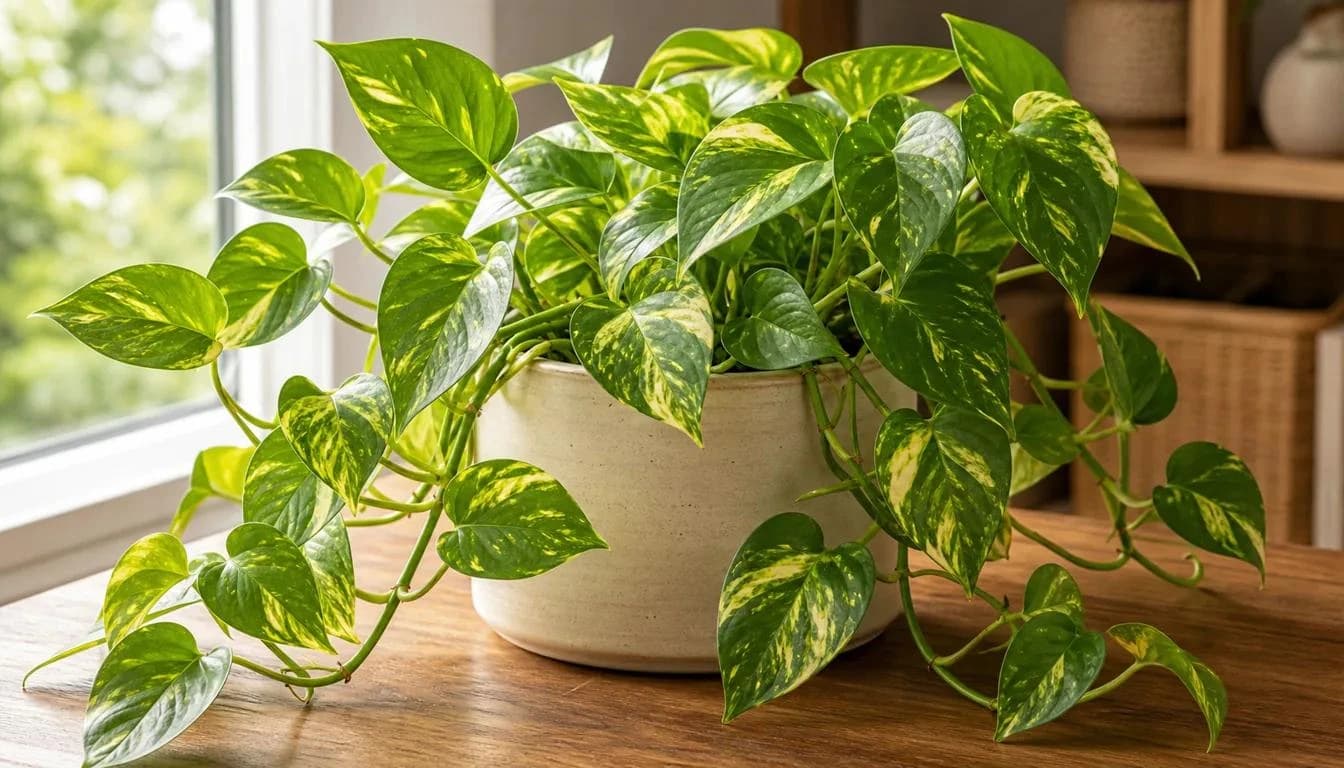
Start with a photo that shows useful detail
The best plant-identification photo is not always the prettiest one. Aim for natural, even light and keep the subject sharp. Avoid heavy filters, glare, and a background that hides the edges of the plant.
When possible, take more than one view:
- one photo showing the whole plant and its growth habit;
- one close-up of a leaf, including its edge and underside;
- one photo of flowers, fruit, bark, or another distinctive feature.
These views give an identification tool more evidence than a single distant image.
Seven visual clues to check
Leaf shape
Look at the outline first. Is the leaf round, lance-shaped, heart-shaped, needle-like, or divided into leaflets? Compare mature leaves with new growth because young leaves can look different.
Leaf arrangement
Notice how leaves attach to the stem. Opposite, alternate, and whorled arrangements can separate plants that otherwise look very similar.
Edges and texture
Margins may be smooth, toothed, lobed, or deeply cut. Texture also matters: a waxy, fuzzy, leathery, or strongly veined surface can be a useful clue.
Flowers and fruits
If the plant is flowering or fruiting, include that evidence. Color helps, but shape, petal count, arrangement, and the season are usually more reliable than color alone.
Stem and growth habit
Check whether the plant is upright, trailing, climbing, branching, or forming a rosette. Stem color, thorns, nodes, and bark can narrow the possibilities.
Scale
Include something familiar for scale when size is important. A leaf that looks large in isolation may belong to a very different species than one with the same shape at a smaller scale.
Habitat and season
Where and when you found the plant adds context. Garden bed, woodland edge, wetland, roadside, indoor pot, and dry slope each support different possibilities.
Why look-alikes are so common
Many unrelated plants share broad visual traits. Lighting can change perceived color, and a single leaf may not show the feature that distinguishes two species. A photo match should therefore be treated as a useful starting point, not automatic proof.
What to do when the result is uncertain
Low confidence is useful information. Retake the photo, add a second angle, and compare the suggested name with a reputable field guide, local extension service, botanical garden, or specialist community.
Do not use a photo identification as proof that a plant is edible, medicinal, or safe around children and pets. Safety-critical decisions need independent verification from a qualified source.
How to use IdentifyAny for a first look
Upload a clear image to the plant identifier. Review the visible clues listed with the result and look for uncertainty rather than relying only on the name. If the result matters, use the suggested clues to guide further research.
Frequently asked questions
Is one photo enough to identify a plant?
Sometimes, but several views are more reliable. A whole-plant photo plus a close-up of leaves and flowers usually provides better evidence than one cropped image.
Does a high confidence score prove the species?
No. A confidence score is not the same as a calibrated probability of being correct. Verify important results independently.
What should I photograph first?
Start with the whole plant, then capture the most distinctive detail: leaf arrangement, flower structure, fruit, bark, or a clear label if it is a cultivated plant.
The takeaway
Identify the clues before you settle on the name. Good light, multiple views, visible scale, and habitat context make a photo more useful, while independent verification keeps the result in perspective.